Tyre Pressure Warning Light: What It Means and What to Do
Why the TPMS light comes on, whether you can keep driving, and how to clear it.
Posted on
The tyre pressure warning light is the amber symbol that looks like a horseshoe-shaped tyre cross-section with an exclamation mark in the middle. When it appears on your dashboard, your car is telling you that at least one tyre may be below its correct pressure, or that the monitoring system itself has a problem.
It is easy to ignore, especially if the tyres look fine. But a tyre can lose a lot of air before it looks flat, and driving on one that is badly under-inflated affects braking, handling and the life of the tyre. Here is what the light means and what you should do about it.
Short answer: the tyre pressure warning light (TPMS light) means one or more tyres has dropped noticeably below the pressure the system expects, often by around 20–25%. It can be caused by a puncture, gradual air loss or a drop in temperature. If the light flashes for a minute or so and then stays on, it usually indicates a fault with the system rather than low pressure. Slow down, stop somewhere safe, check all four tyres with a gauge and inflate them to the pressures in your handbook. If a tyre keeps losing air, have it inspected.
What Is TPMS?
TPMS stands for tyre pressure monitoring system. It has been required on all new passenger cars sold in the UK and EU since November 2014, and on new models introduced from November 2012, so most cars on the road today have one. There are two main types.
Direct TPMS
Direct systems use a small battery-powered sensor inside each wheel, usually attached to the valve. Each sensor measures the actual pressure and sends it to the car wirelessly. Many cars with direct TPMS can show the pressure of each tyre on the dashboard display.
Indirect TPMS
Indirect systems have no sensors in the wheels. Instead, they use the ABS wheel-speed sensors. An under-inflated tyre has a slightly smaller rolling diameter, so it turns faster than the others. The car spots that difference and turns on the light. Indirect systems are simpler, but they generally cannot tell you which tyre is low, and they can be slower to react if all four tyres lose air at a similar rate.
Why the Light Comes On
- A puncture: a nail or screw in the tread can let air out quickly or very slowly. See our guide to slow puncture signs and causes.
- Natural air loss: all tyres lose a little air over time. If the pressures have not been checked for months, they may simply have crept down.
- Cold weather: air contracts as it cools, so pressure drops on cold mornings. It is common for the light to come on with the first frosts of autumn. Our article on how seasons affect tyre performance explains why.
- A valve or rim leak: a perished valve or corrosion where the tyre seals against the wheel can cause steady air loss.
- A system fault: a sensor battery running out, a damaged sensor, or a wheel fitted without a sensor. A light that flashes for a while when you start the car and then stays lit usually points to a fault, although it is worth checking your handbook, as behaviour varies between manufacturers.
Is It Safe to Drive With the Light On?
It depends on why it is on, and you cannot know that until you check. Treat it as a warning to act soon, not as something to ignore.
- If the car feels normal: reduce your speed and check the tyres at the next safe opportunity, such as a petrol station with an air line.
- If the steering pulls, you hear flapping or the car feels unstable: a tyre may be losing air fast. Slow down gradually and pull over somewhere safe. Driving on a flat tyre can ruin it and the wheel, and it is dangerous. On a motorway, follow our advice on a flat tyre on the motorway.
- If you have run-flat tyres: the TPMS may be the only clue that a tyre is deflated, because run-flats can look almost normal when empty. Keep to the speed and distance limits in your handbook and read can run-flat tyres be repaired.
What to Do When the Light Comes On
- Pull over when it is safe and look at each tyre for obvious damage, a nail or a visibly low tyre.
- Find the correct pressures. They are in the handbook, and usually on a sticker inside the driver’s door frame or fuel filler flap.
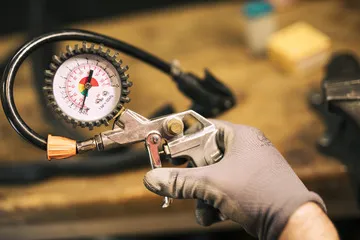
- Check all four tyres with a reliable gauge, ideally when they are cold, and inflate them to the recommended figure. Our guide on how to put air in tyres takes you through it.
- Reset the system if your car needs it (see below).
- Recheck the pressures over the next day or two. If one tyre has dropped again, it probably has a puncture or leak.
How to Reset the Tyre Pressure Warning Light
The reset procedure varies by make and model, so check your handbook. Broadly:
- Many indirect systems need a manual reset through a button or the infotainment menu after you have set the pressures, so the car learns the new baseline.
- Many direct systems clear the light by themselves after a short drive once the pressures are correct.
- If the light stays on, comes back quickly or flashes, there may be a fault with a sensor or the system, which needs diagnosing.
Only reset an indirect system after setting the correct pressures. Resetting it with a low tyre teaches the car that the low pressure is normal, so it will not warn you properly.
Will It Fail the MOT?
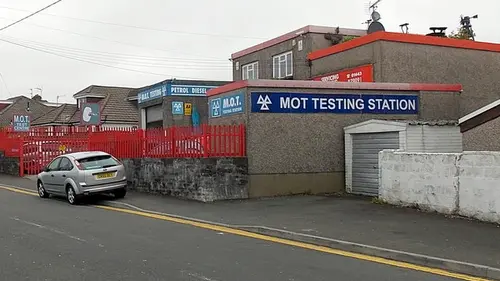
For cars first used from 1 January 2012 that have TPMS, an illuminated tyre pressure warning light, or a system that is clearly not working, is an MOT failure. It is worth getting it sorted before your test.
Why It Is Worth Acting Quickly
Low pressure makes the tyre flex more, which builds heat, wears the shoulders of the tread and increases fuel consumption. It also lengthens braking distances and makes the car less stable in emergency manoeuvres. Our article on how under-inflated tyres affect your vehicle goes into more detail.
If the light keeps coming back, there is a good chance you have a puncture. Many punctures in the main part of the tread can be repaired, as explained in can a tyre with a nail or screw be repaired.
We can come to you, 24/7 across England and Wales, to repair a puncture with our mobile tyre repair service or replace the tyre with mobile tyre fitting. Call us on 07989 606060.